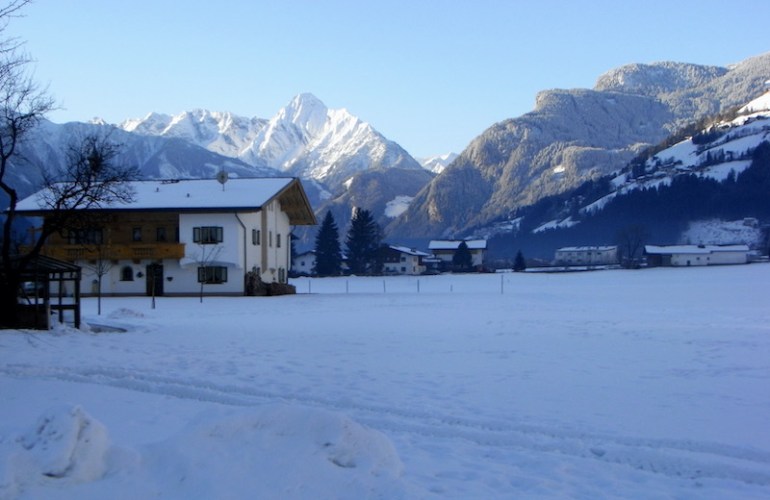
This post is aimed at people who have never skied but always dreamed of giving it a go, however, even if you’ve skied before, you may find some of the info helpful.
We’ve been on our fair share of ski trips and never tire of it, so hopefully the following will offer an insight into this fantastic trip. As a ski trip is usually sold as a week-long package, all the info is based around that. I’ve also based a lot of the information on our favourite country for skiing – Austria.
Living in Ireland, our weather is not the warmest and it rains a lot. Therefore, a lot of Irish holiday makers love nothing more than heading to the sun. The thoughts of going anywhere cold, damp and snowy is the last thing on peoples’ minds, the cost too can deter people from taking the plunge. However, I urge you to give it a go and who knows, you may catch the ski holiday bug and believe me, it’s very difficult to shake off.
Before you go:
Once you’ve decided to go, there’s a few things to consider. Unlike some trips that can be undertaken as a solo traveller, a ski trip is at it’s best with a bunch of chums. So ask some friends or family members or even work colleagues if they have any interest. Of course, even as an independent traveller, you’ll still have a great time and you’ll meet plenty of people along the way.
Having a decent level of fitness will also add to your enjoyment. Several weeks before you depart, try to take a walk every evening and/or some stretching exercises.
The next thing that everyone looks at is cost. No point in beating around the bush, a ski trip can be pricey, especially for first timers. The time of year, country, accommodation type, resort and the pre-departure stuff you may need to buy will affect the cost. You then add in gear hire, lift passes and lessons and it really starts to add up.
The cost:
It’s difficult to give an accurate cost, as there are a lot of factors to consider. But expect to pay anywhere between 800 to 1200 euro per person at the bottom end of the scale. This will get you flights, transfers, accommodation on a B&B basis in a pension, gear hire, lift passes and lessons. It’ll usually be one of the smaller towns and the ski area not as big as other parts of the country. However, it’s usually more than enough for first timers and especially families as the nightlife could be quite tame or there’s none at all. Other amenities could also be limited.
As if the cost of the skiing side of things was not enough, you’ll find that there are numerous other activities on offer which can add to your cost. Cross-country skiing, a pub crawl, day trips, spa and wellness centres, ice skating, cinema, quiz nights, go-karts on ice, night toboggan runs … the list goes on – and don’t forget the apres-ski. So for spending money at the low end of the scale, allow between 60 to 100 euro a day for food, drinks and any additional transport costs you may need such as a late night cab.
Before you go, you’ll also have to purchase the proper clothing to keep warm and dry on the slopes. During the winter months, most decent sports and outdoor stores will stock everything you need. You could wait until you arrive at your destination as every ski town and village will have at the very least one or two sport stores. Expect to pay around 100 to 150 euro at the bottom end of the scale for a decent ski jacket and pants.
As mentioned above, a ski lift pass is a must. However, it is possible to save a bit of money here. You could purchase a restricted lift pass, this will not allow you access to every part of a ski area usually the higher runs. If you also decide not to ski every day, you don’t have to purchase the pass for the entire week. If you really just want to “have a go” it’ll probably work best to buy a lift pass for just one ski run.
Clothing and gear:
You’re going to need the proper gear, at the very least you’ll need a ski jacket, ski pants, gloves, hat, sunglasses and/or ski goggles. As outlined above, this is something you need to consider when working out your budget for your trip. You’ll also need a base layer or two and a light fleece jacket as your mid layer. Most outdoor pursuits use the “three layer system” and skiing is no different. The base layer should be one of those dry-weave types that don’t hold in moisture, your mid layer should be a light jacket or a warm jumper. Your ski jacket should fit well and have easy access pockets for keeping your bits and pieces.
A proper ski jacket will have a rubber seal on the inside of the jacket on the bottom that you fasten – it serves two purposes – one to stop your jacket sliding up and the other to keep snow out.

A hat and proper ski gloves are also essential, the gloves should be warm and water resistant. A buff scarf or similar is also good to have. Sunglasses are a must as the glare from the sun reflecting off the snow is very bright. Ideally ski goggles work best, but as a beginner sunglasses will be fine. Ski socks are also another essential investment. All of this is to keep you warm, dry and protect against the elements. While the weather is a concern, most of the time it’ll be blue skies and sunshine. However a blizzard can hit at a moments notice so it’s best to be prepared.
One more absolutely essential item is a ski helmet. We’ve noticed over the years that almost everyone now wears a helmet and I can’t stress enough how important it is. You can buy or can rent them at any of the ski resorts.
Pre-departure prep:
First, do your research on where you’d like to go, the big players in Europe are France, Austria and Italy. All are ideal for skiing from complete beginners to Olympic athletes. You can of course ski in other countries but you can’t go wrong as a beginner to stick with one of these.
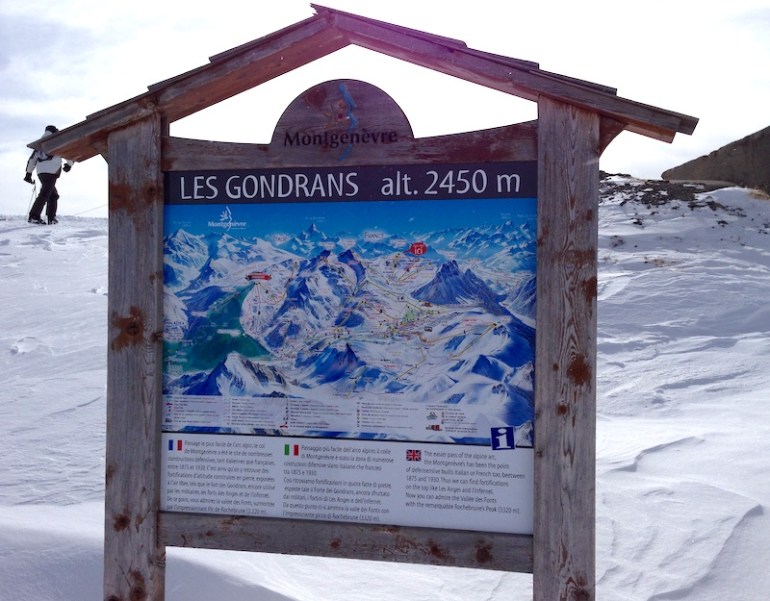
Next, pick where you’d like to be based and the type of trip you’re looking for. In Austria, if you’re looking for a quaint village setting with relaxed apres-ski and a good ski area, consider Zell am Zeller. Want a lot more nightlife, Mayrhofen is fantastic and has a vast ski area. Sol and Solden are both great options for beginners and advanced skiers. Iscghl is an up-market town with an amazing ski area – perfect if it’s not your first ski trip.
One thing not to look into too much is the size of the ski areas and resort heights, most places cover a vast area and even at some of the lower altitude – around 1,000 metres, you’ll still have plenty of runs to try out.
Another factor when selecting a resort is how suited it’ll be to you or your party. When checking online, you’ll find information on the amount and type of runs in the resort. Every resort will have what’s known as the beginner slopes, or baby slopes, this is where complete beginners start off.
Blue runs are best suited for beginners, the runs are not too steep and are usually very wide. Red is for intermediate skiers, although confident beginners may be able to give it a go. Black runs are for advanced intermediate and advanced skiers only.
In a small few places they have green runs which are easy and designed to admire the surrounding countryside as you slowly ski along – perfect for beginners.
Besides the obvious such as making sure your passport is in date, there are several other bits and pieces to get sorted. Before even booking your trip, take out adequate travel insurance to cover winter sports. Most online travel companies will not allow you to book until you’ve sorted your insurance.

Ready to book:
You’ve done all your research, priced your gear and clothing, insurance sorted and passport up to date. Now it’s time to book your trip.
Basically there’s two ways to go about it, you can book everything independently yourself, or do what most people do, get a reputable online agency or travel agent to put it all together for you and this really is the best option.
As well as your flight and accommodation, travel companies will also look after lessons, gear hire and lift passes. In most cases, the bigger your group, the better discount you can get. Even booking for just two could see a 5 or 10 percent discount on the overall price.
Once you’ve everything booked, your itinerary will arrive in the post or emailed to you along with your flight tickets, vouchers which you exchange to get your gear, lessons and lift pass, along with information about accommodation. It’s important as soon as you receive everything to check it and make sure everything is in order – if it’s not contact your travel company immediately.
On arrival:
Once you arrive, the first thing is find your holiday rep. They’ll be easy to spot and usually waiting in the arrivals hall, make yourself known to them and confirm that they have you down for the correct resort as people will be heading to different places. They will tell you what bus to get and again confirm with the driver that the bus is going to your resort.
Transfers will usually drop you outside the door of where you’re staying, however, on occasion some buses may not be able to drive into certain small or hilly places especially if it’s icy. In this case, you may have a little walking to do.

Once you’re checked in and depending on the time you arrive, you may be able to get fitted for your skis and ski boots, or snowboard and boots, if you’ve decided to give snowboarding a go. Some of the rental places may stay open late. If it’s not possible to get your gear, you can pick them up in the morning.
Your rep will usually have a chat with you about how the week will play out, along with information about the meeting points in the morning and will in most cases have your lift passes. They’ll also give you a schedule of other activities you can enjoy in the evening after a day on the slopes, some of these may be free, others will have an additional charge.
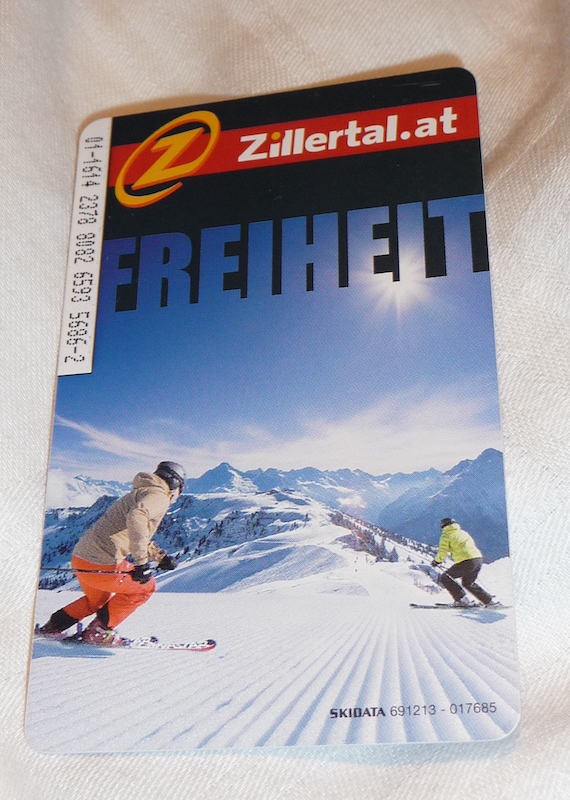
Keep your lift pass safe, most keep it in a breast pocket or a sleeve pocket, once you approach the lift turn style it’ll pick up the signal and you’ll walk through. If you lose your pass, contact your rep or if you picked it up yourself, return to where you got it and get a new one. You may have to pay a small deposit.
Getting kitted out:
When getting your gear, you’ll be asked if you’re a beginner or advanced. You’ll usually be weighed, this is to help have your skies adjusted so your boots will fit perfectly. If you’re snowboarding, you’ll be asked if you want normal or goofey. Usually if you kick with your right leg, you’ll be normal. It’s best to try on your footwear with proper ski socks.
Once you’re sorted with your gear and if this is your first time trying on ski boots, they will feel uncomfortable. Snowboard boots are a lot more comfortable. It’s important that whatever footwear you’re using, they fit snugly and not too tight. Ski shoes need to be that little bit of a tighter fit than snowboard boots. Walk around the shop and if you feel your heel is slipping a little, get them re-adjusted or try a different size.
Next try on your skis – you’ll have to force them into the clips and again, they’ll be adjusted slightly. There should be no movement of your ski shoes. Snowboard boots are attached with binders on the snowboard and are tightened with buckles or Velcro straps. Once you’re sorted with your skis and boards, you can also rent helmets, ski goggles and other bits and pieces if you need them. If you’re skiing, don’t forget to get your ski poles. One final thing, your gear is bulky and can be heavy so be wary of this.
Accommodation:
Even in some of the smaller villages, there’s plenty of options for resting your head. Most people opt for B&B as it’s usually the least expensive, however if you’re in a large group, renting an apartment is usually the best option. Half-board is an other option but we’d not recommend it. Full-board is available in some of the up-market digs, but is only suited for visitors who are not planning on spending every day on the slopes.
A little more expensive but very convenient especially for families is to rent a ski chalet. These come with a private chef who will prepare breakfast, make lunches to take with you and also cook dinner as well as doing all the cleaning up. The chalets are usually shared accommodation so depending on the size, there could be several families staying.


Every type of lodging will have a ski room (or warm room). This is where you store your gear at the end of each day and by morning, everything will have dried out and is ready for another day. It’s also possible to store your gear near the ski runs, which will save you lugging gear and walking in your boots to the start of the slopes. There is a charge for this but it can be very convenient especially if your accommodation is a good distance away.
Where you’re located in any of the resorts is also important when researching your trip. While it will be less expensive staying on the outskirts, as mentioned above, you’ll be lugging all your gear with you. Thankfully, nearly all but the tiniest of villages has a ski bus which is usually free and will bring you right into the centre, usually a short walk to the ski lifts. So you may not have too far to walk to the bus stop from where you’re staying.
Bus routes and times can be checked online or at your accommodation but also check with your rep where your starting point will be in the morning as there could be several different areas and you don’t want to get on the wrong bus.
Safety:
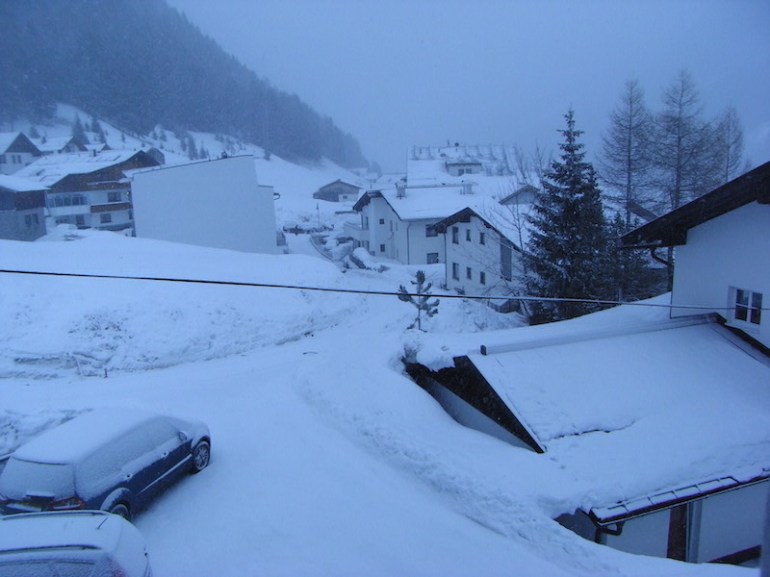
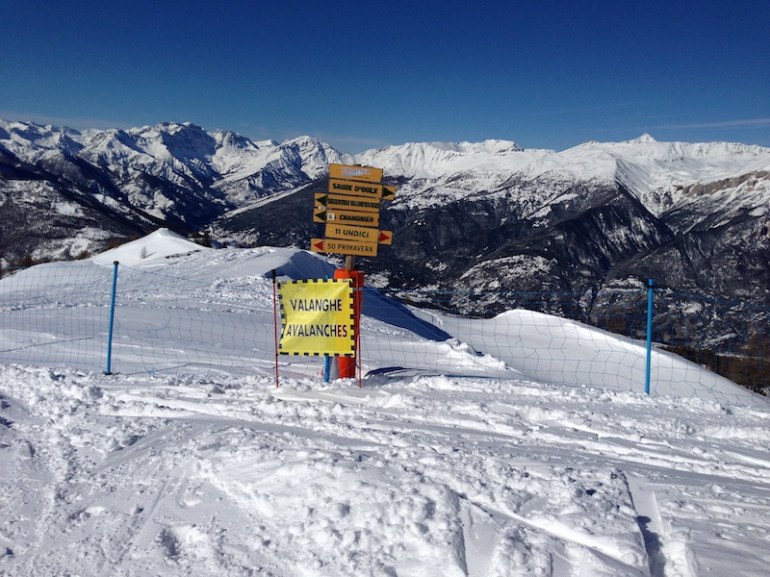
The vast majority of people will have a trouble-free ski trip, however skiing and boarding are classed as extreme sports and can cause some serious injuries. Along with this there’s also the chance of avalanches, storms, blizzards, rocks and shrubs lying under the snow.
Your first morning
There’s always an early start on the first day (every morning is actually an early start) it’s also important to have a good filling breakfast to set you up for the day. If you still need to get your gear, allow an extra hour to do so. Once you’re dressed and ready to go, get your gear from the ski room, it’s probably best to put your ski and snowboard boots on now. You can, if you choose, leave your regular shoes here or carry them in a small day pack.
Depending on where you’re visiting and the size of the ski area will determine the meeting point. Some places have their beginner slopes close to the centre, other places may involve a ski lift to get you there as they will be higher up.
At the meeting area the first thing that usually happens is everyone will be placed in their respective class, whether you’re skiing or snowboarding, you’ll be asked if you’re a beginner and sometimes they’ll ask your first language. Complete first timers will have nothing to do but if this is not your first ski trip, you may be asked to show what level you’re at. Even experienced skiers have the option of going with an instructor as they know the ski area really well, so it’s more of a tour rather than lessons.
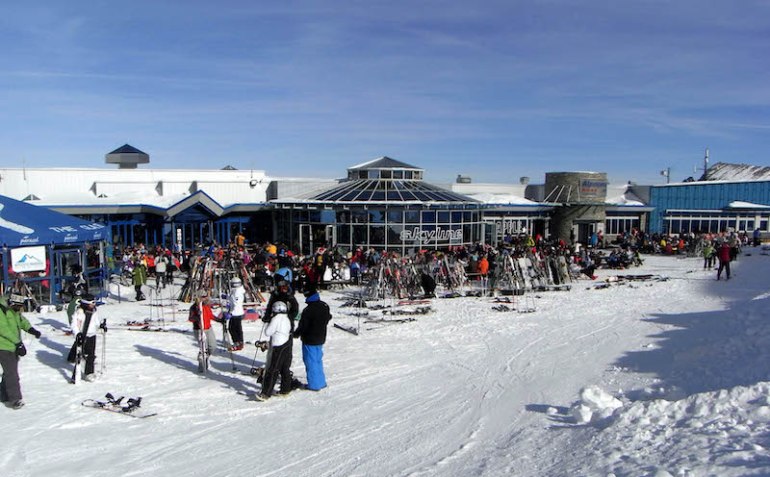
Once in your group, you’ll be introduced to your instructor and more often than not they’ll be able to speak a few languages. It’s important that throughout the week you do exactly what your instructor says, after all they are experts and some you will find are former professional athletes.
Like any good team, it’ll help to get along with your fellow students, they’ll be there to help you up when you fall – which you will. You’ll be dining with one another at lunch so it really is in your best interest to get to know everyone.
Skiing or Snowboarding:
The choice is ultimately yours. You will find that the vast majority choose to ski, at a guess I’d say around 95%. If you choose snowboarding, your class will usually be smaller and younger, whereas skiing will have a larger class, probably no more than 15 to 20 and will be older. I’ve done both and enjoyed them immensely.
Snowboarding was my first choice when hitting the slopes as a lot of people feel it’s higher up on the “coolness” factor. Having snowboarded for a few years, I switched to skiing mainly for the social aspect. I was the only one in a group of friends who boarded, so once up to a decent level, it was nice to enjoy a run on the slopes with them on occasion (they were all advanced skiers).
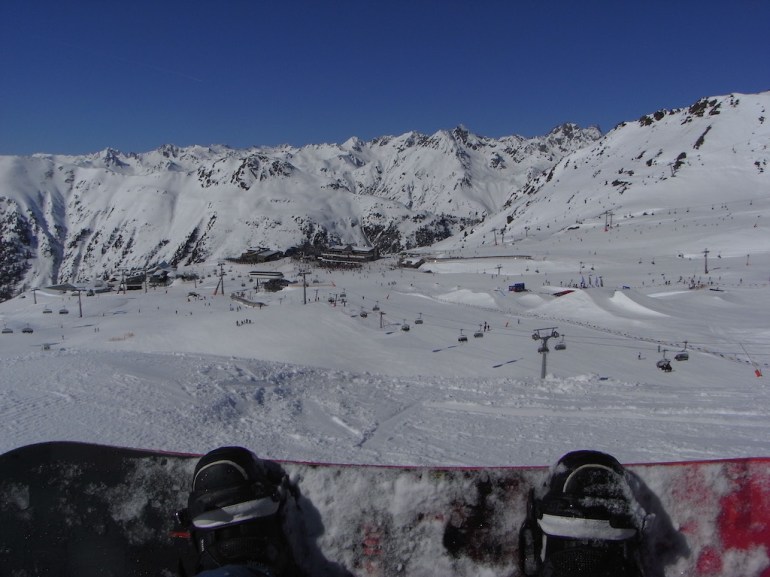

The main difference for me was it took longer to get the hang of boarding, but once up to speed it’s a great feeling whizzing down the slopes. Skiing, I felt, was slightly easier, however, having the experience of boarding helped. You also have a little more control with skiing as you have ski poles, although it’s easier get up when you fall on a snowboard, snowboard boots are also more comfortable, but snowboarding requires a little more flexibility 😉, whichever you choose, you’ll have a blast.
Ski lifts:
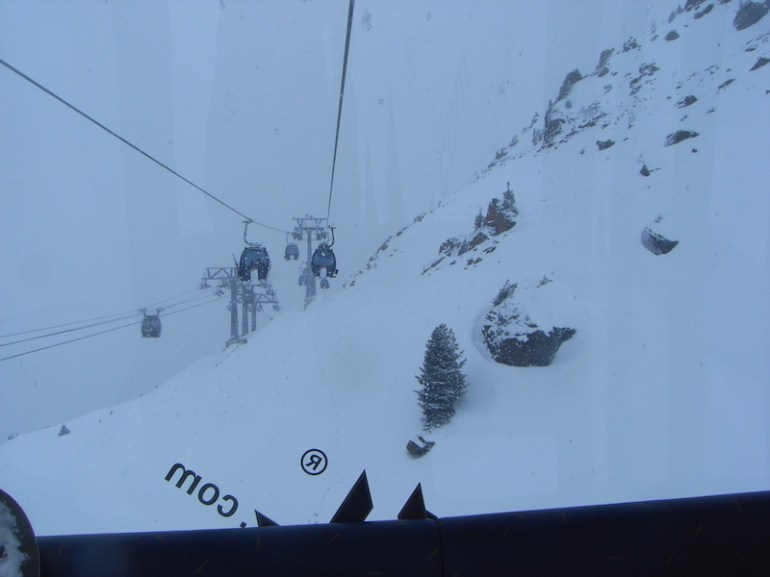
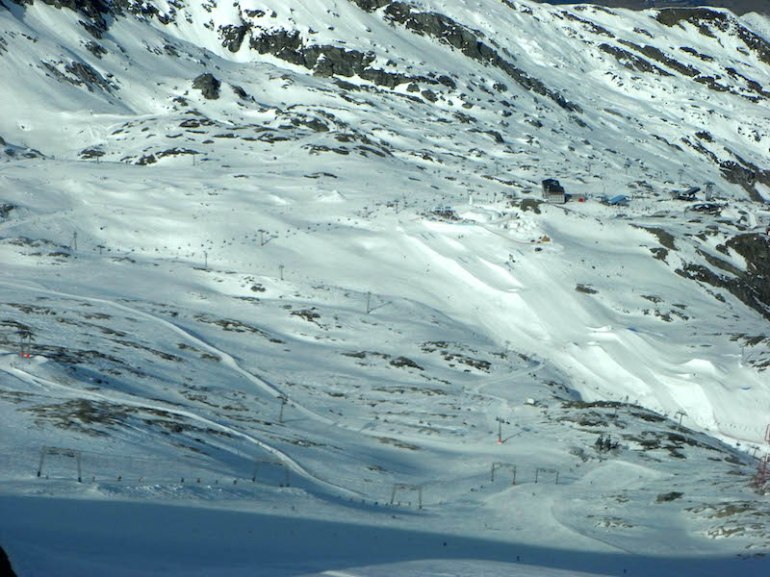
There are numerous ways to get to the top of the slopes. Gondolas are enclosed small pod type things. They usually seat 8 and have racks outside to store your skis and boards – carry your ski poles with you inside. They’re the stalwarts of transportation to get you all over the ski area. Ski chairs are not enclosed and are basically a chair that you pull down a safety rail, they seat 3 or 4. They usually cover shorter distances. For even shorter distances there’s T-bars, button-bars, conveyor belts and a few other variants.
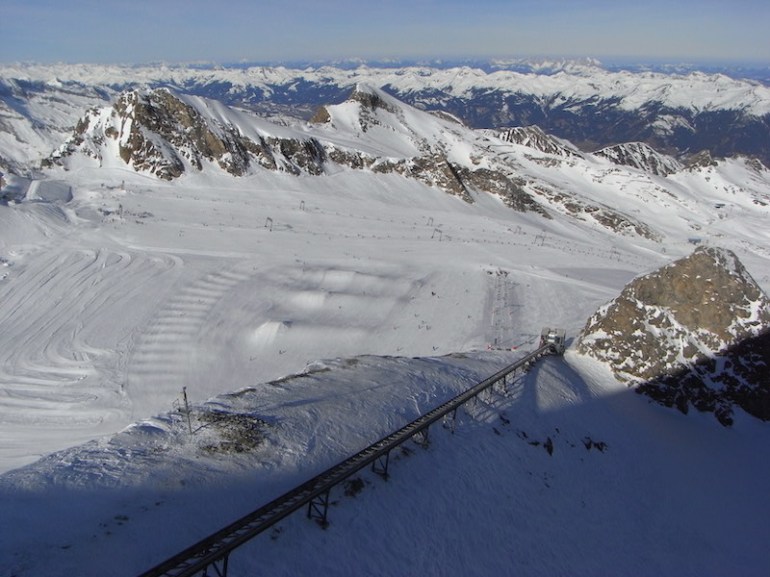
Cable cars are designed to get you to some of the highest areas and can squeeze anything up to 60 people or more with gear – you won’t see too many of these.
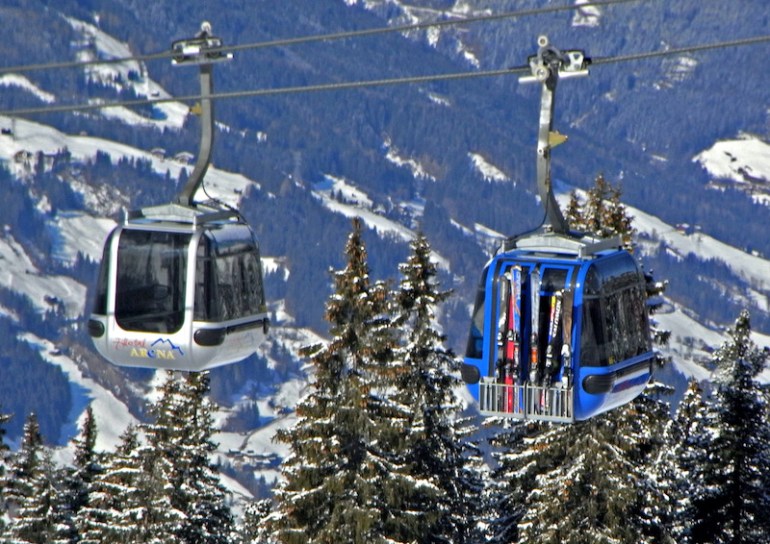
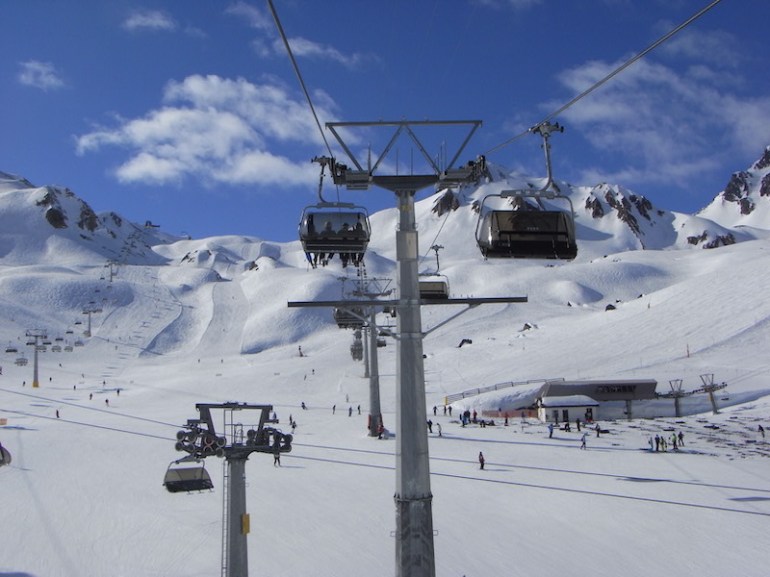
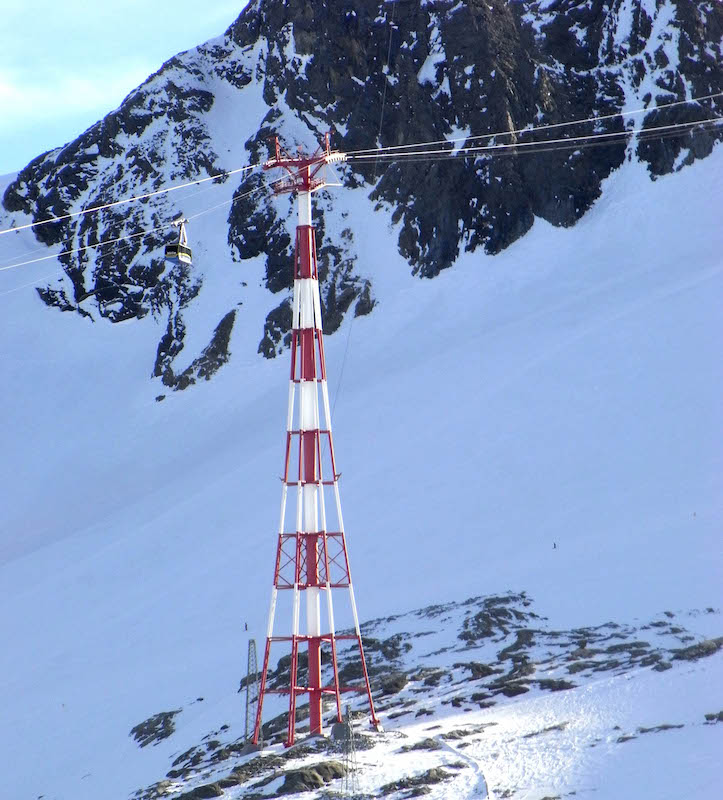
All the ski lifts bar the cable cars are always moving so it can be a little unnerving when going on them for the first time. Gondolas are easy, but ski chairs take a slight leap of faith to get on and especially getting off. If you’re a snowboarder, take one foot out of it’s binding – it’ll make sense when you’re doing it. T-bars and similar also take a little getting used to.
Your first lesson:
For at least the first day, you won’t be moving beyond the beginner slopes and there’s a good chance you’ll be here for two days before venturing onto your first blue run.
After the initial introduction to your instructor and fellow students, things start with the rock bottom basics. You’ll be shown how to clip-in and remove your skis, which is easy as it’s done standing up, for snowboards you’ll have to stretch a little to tighten your bindings and standing up on a snowboard for the first time is a tad tricky.
Traversing across the slopes is usually the next step which starts with going down slightly, then turning and stopping. You’ll also be shown how to stop by using the “pie slice method” if you can’t make your turn – snowboarders will just have to do a controlled fall on your rear end.
As well as going through the motions of the lessons, you’ll also get to practice using some of the methods for getting back up to the top of the beginner slopes. In most cases it’ll be a conveyor belt but T-bars and button bars are also used. If you fall, do your best to get out of the way as there will be someone coming up behind you, this won’t be easy but rolling out of the way is probably the best technique.

Every lift is manned and if the controller spots that you have fallen they will usually stop the lift. Don’t attempt to get back on, cut your losses and go back down to try again – although you can always just walk up the slope.
Once lunch time rolls around, it’s time for a well-deserved break. You’ll find that all the food is hearty and filling although it’s probably best to avoid alcohol as you still have an afternoon of lessons.

The end of the day is usually sometime between 4:00pm and 5:00pm. It can be busy at the gondola station at this time if you need to get back down. It’s also good to get in the habit of checking what time the gondola or ski lifts finish when you arrive in the morning.
As your lessons run for the entire week, it’s in your best interest not to miss a day and arrive on time. Even if your a tad groggy after the night before, it’s best to get there later rather than not at all. By completing the full week of lessons, you’ll be enjoying the thrill and sense of freedom it offers when skiing or boarding down the slopes by the end of the week.
Apres-ski:
At the end of the day, it’s time to hit the bars for a well deserved drink, or several. You’ll find the music initially annoying but somehow it becomes infectious and before you know it, you’ll be humming along. It’s also a great time to have a catch up with friends or even complete strangers on how your day went. If you choose, you could stay here all night and have a great time. However, most people usually return to their accommodation for a rest, before heading out again.
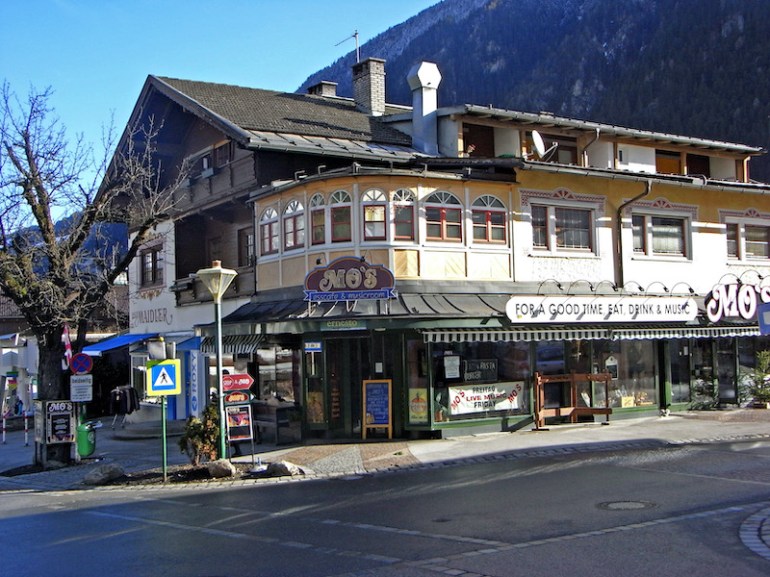


Most of the apres-ski bars will also have food available so you can have a nibble or two. In the busier resorts, it may be best to book a table in a restaurant if you have a large group. As mentioned above, there are plenty of other night time activities and if your resort has a night toboggan run, it’s a must do, it’s great fun.
The rest of the week:
The remainder of the week will play out pretty much the same. Up early, grab breakfast, get your gear, get to the slopes and join your lessons. For a change of pace in the evenings, you could go to the cinema, go bowling or treat yourself to a relaxing evening at a pool or spa, which are hugely popular.

A lot of the resorts have a night ski show one evening a week – well worth going to see and it’s free. Your ski rep will usually know what evening and time it’s on although it’s always well advertised. You’ll get to see how the pros do it. Expect to see stunts and synchronised skiing along with several other show stoppers all done to music and lighting.
There really is a lot to do but the most important thing is not to burn yourself out too early in the week.
Time to go home:
As the week comes to an end, it’ll be time to have one last lunch with your fellow students and a last few runs down the slopes. It’s also time to return your gear to the sports store you got it in at the beginning of the week. You can also return your lift pass and get a few euro back (usually no more than 5 euro) but most keep as a souvenir.
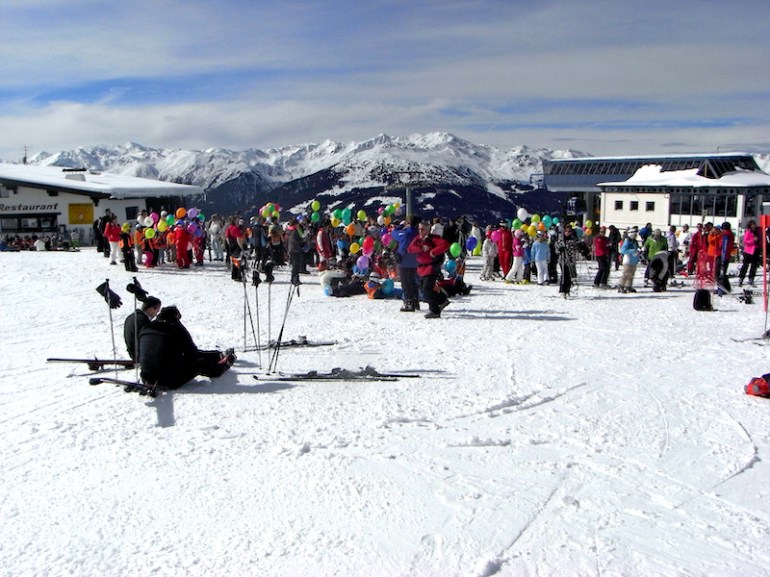
Your rep at this stage should have given you the transfer pickup time to take you to the airport, if not, just contact them to confirm. As it’s the last evening there’s usually a good atmosphere in the bars to give everyone a good send-off. So enjoy a few last drinks, some food and share contact info with new chums you made along the way and perhaps if you’ve caught the ski bug, you’ll do it all again next year.
Hope you find some of this information helpful.
Until next time,
C&J
 cjfoodandtravel